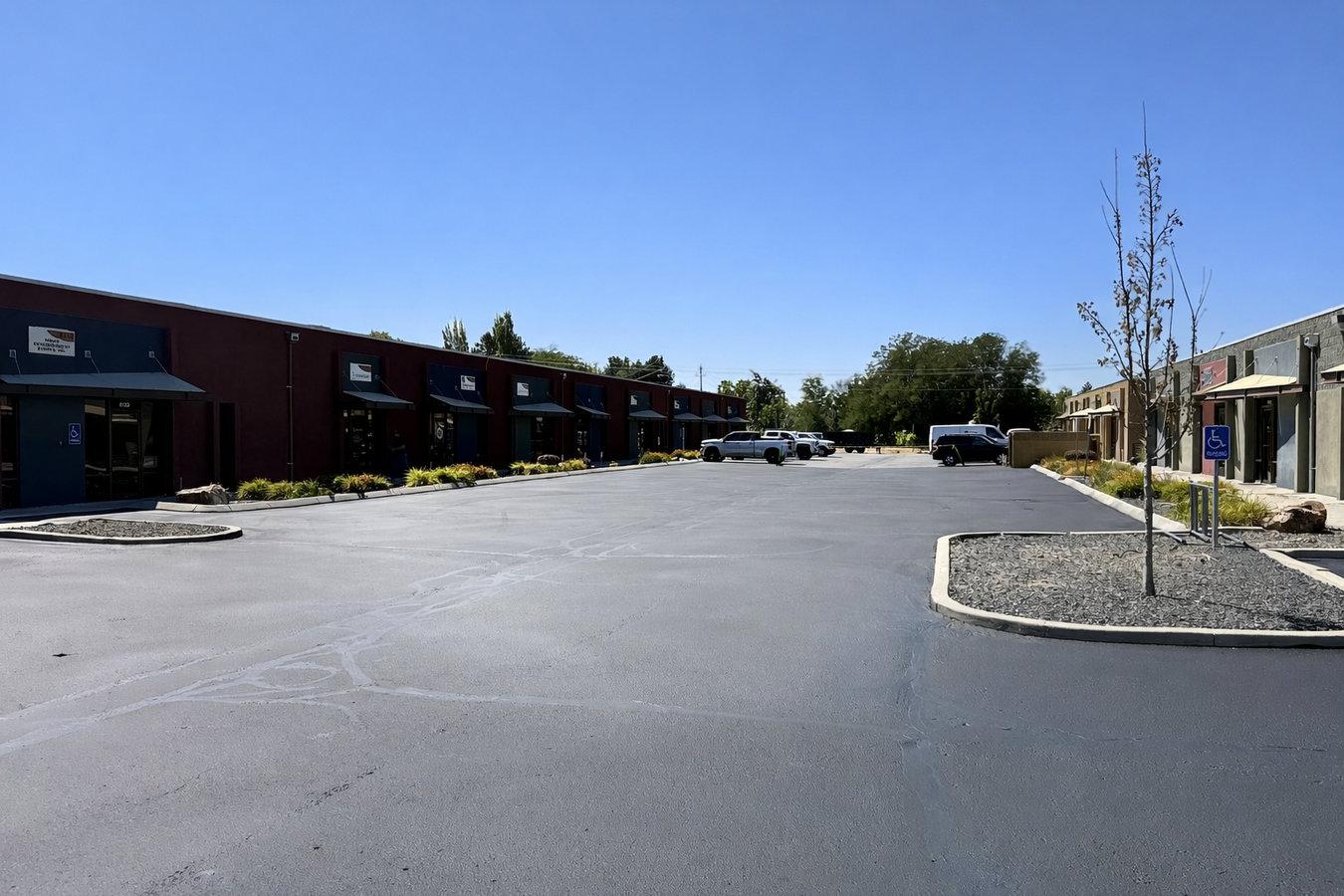
Gravel lots create dust, asphalt buckles in summer heat, and dirt surfaces wash out in storms. We pour concrete parking lots in Hobbs designed for the soil, the climate, and the vehicles that will use them.
Concrete parking lot building in Hobbs means excavating the existing surface, grading for drainage, compacting the base layer, and pouring a reinforced concrete slab sized for the vehicles that will use it. Most residential and small commercial lots take two to five days from site prep to finished pour, with the slab ready for light vehicles within seven days.
A concrete parking lot is one of the most durable surfaces you can put on a property in Hobbs, and it performs much better than asphalt during the intense summer heat this area sees every year. If you are also thinking about the approach to your building, concrete driveway building is a natural complement - we often pour both surfaces in the same project to keep the finished grade consistent and the permit work streamlined.
Caliche soil and Permian Basin oil field traffic are two conditions that set Hobbs parking lot projects apart from most other markets. We factor both into every estimate. Reach out and we will respond within one business day to schedule a site visit.
If you see cracks running across the surface in a spiderweb pattern, or the edges of the lot are breaking off in chunks, the surface has reached the end of its life. Patching at this stage is like putting bandages on a broken bone - the underlying structure is compromised and a full replacement will save you money over the long run.
Standing water on a parking surface means it has settled unevenly or was never graded correctly in the first place. In Hobbs, heavy summer thunderstorms can drop water fast, and pooling accelerates surface damage and creates a slip hazard. Puddles still present hours after a storm are a signal to call a contractor.
If your current lot is asphalt and you see tire ruts, soft spots, or tar sticking to shoes and vehicles during summer, the surface is failing under Hobbs heat. Asphalt can deform under the weight of trucks or SUVs when temperatures climb into triple digits. Replacing it with concrete eliminates this problem entirely.
If sections of your lot have risen unevenly and created lips or bumps between slabs, caliche expansion from moisture changes underground is a likely cause. This is a known issue across southeastern New Mexico and it will not fix itself. A contractor familiar with local soil conditions can assess whether a full rebuild with better drainage is the right move.
We build new concrete parking lots and replace failing asphalt and gravel surfaces for residential, multi-family, and small commercial properties throughout Hobbs and Lea County. Every project starts with a site visit where we measure the area, check for drainage issues, and ask about the types of vehicles that will use the lot - because slab thickness is determined by load, and getting that wrong means cracking within a few years. For projects that include covered structures over parking, concrete footings for posts or columns can be poured as part of the same mobilization to keep the project moving efficiently.
Drainage design is built into every lot we pour - we grade the surface so water flows away from buildings and toward drains, and we place expansion joints to give the concrete room to move through Hobbs temperature swings without cracking. We handle City of Hobbs permit applications and schedule summer pours for early morning to protect the slab from the heat. Post-cure, we walk the lot with you to review the expansion joints, drainage direction, and long-term care before we leave the site.
Suits property owners building a parking surface where none existed - includes full site prep, base compaction, drainage grading, pour, and finish.
Suits owners whose asphalt lot is rutting or softening in Hobbs heat and want a permanent, rigid surface that holds up through triple-digit summers.
Suits property owners who need a lot rated for service trucks, tankers, or heavy equipment common in the Permian Basin oil and gas industry.
Suits landlords and property managers who want a low-maintenance surface that reduces dust complaints and adds lasting value to rental properties.
Hobbs sits at the center of New Mexico's oil and gas industry, which means many parking lots here carry far heavier loads than typical residential surfaces. Service trucks, tankers, and supply vehicles are a fact of daily life in Lea County - a lot poured to passenger-car thickness will crack under that weight within a few years. We ask about your actual vehicle mix before we design the slab thickness, because a conversation at the estimate stage is far cheaper than tearing out an underbuilt lot after the fact. The American Concrete Pavement Association publishes guidance on slab design for varying vehicle loads that informs our approach on every project.
The caliche soil conditions across southeastern New Mexico mean that site prep here is more involved than in most other markets. A contractor from out of the area will often underbid the excavation and drainage work, then cut corners when they hit the hard caliche layer below the surface - leaving you with a lot that heaves and cracks within a few years. Our crews have worked with Lea County soil conditions for years and price caliche management into every quote from the start. Property owners in Andrews, TX and Lovington, NM deal with the same caliche and heat challenges, and we bring the same preparation to every project across the region.
We respond within one business day. A phone quote without a site visit is not reliable for a lot project - we will schedule a time to walk the property, measure the area, and check for existing drainage issues before we give you a number.
We visit your property, measure the area, check the soil, and ask about vehicle types. You receive a written estimate within a few days that breaks down materials, labor, site prep, and permit fees separately - no single lump sum you cannot evaluate.
We submit the City of Hobbs permit application and handle the approval process. Once approved, the crew removes the old surface or vegetation, excavates to the correct depth, breaks through or accounts for caliche, and compacts a gravel base layer.
Summer pours start early morning to beat the afternoon heat. The slab is poured, expansion joints are placed, and the surface is covered to cure. After seven days you can use it for light vehicles. We walk the lot with you at completion to review drainage, joints, and long-term care.
We visit your property, assess the soil and drainage, and give you a clear written quote - no phone guesses, no surprises on the final invoice.
(575) 665-9620Out-of-area contractors often underbid caliche excavation and add costs later when they hit the hard layer. We have worked in Lea County soil long enough to know what site prep costs here before we write a single number. What this means for you is a written quote that holds.
We schedule summer pours for early morning and protect the fresh slab with covers during the curing period. Concrete poured in peak afternoon heat in Hobbs cures weaker than it should. We take the steps that produce a lot rated to last for decades, not one that looks fine on the day it is poured.
A lot designed for passenger cars will crack under service trucks and tankers - a common issue in Hobbs given the oil and gas traffic across Lea County. We ask about your vehicles before we design the slab, because building it right from the start costs far less than replacing a cracked lot two years later.
We hold a current New Mexico contractor license - verifiable through the New Mexico Construction Industries Division - and we handle City of Hobbs permit applications on every job. You do not chase paperwork or deal with the city yourself.
A parking lot is a long-term investment in your property, and building it correctly from the base up is the only way to get the full 30 to 40 years that a concrete surface should deliver in this climate. Every project we take on in Hobbs gets the same approach - local soil knowledge, proper heat management, and a written scope you can hold us to.
Pour the structural base for covered parking structures, post supports, or any new construction that needs to sit on solid ground.
Learn MoreConnect your parking lot to the street with a matching concrete driveway poured to the same standard and grade.
Learn MoreSummer pour slots fill fast - contact us now to lock in your project date and get a written estimate before the heat season closes in.